Getting preapproved is also crucial due to the fact that you'll understand precisely just how much money you're authorized to obtain." With preapproval in hand, you can start seriously looking for a property that meets your needs. Make the effort to look for and select a house that you can visualize yourself residing in. When you find a home that has the best blend of price and livability, however, pounce quickly.
" Hang around analyzing the housing inventory, and be prepared to move rapidly once the house that fulfills your requirements goes on the marketplace." Utilize social media and ask your agent for leads on homes going on the market before they are listed on the MLS," Bardos also recommends. If you've found a home you're interested in buying, you're all set to finish a mortgage application.
The loan provider might require you to submit a number of files and info, consisting of: Current tax returns, pay stubs and other evidence of income (e - how do mortgages work in canada. g., benefits and commissions, overtime, Social Security) Work history from the previous two years Financial declarations from your bank and other properties, such as pension or CDs The lender will also pull your credit report to confirm your credit reliability.
The final choice will come from the loan provider's underwriting department, which assesses the threat of each prospective borrower, and identifies the loan amount, just how much the loan will cost and more." After all your monetary details is collected, this details is submitted to an underwriter a person or committee that makes credit determinations," describes Bruce Ailion, an Atlanta-based realty attorney and Real estate agent.
After you make a deal on a Click here for info house, the lender will perform an appraisal of the residential or commercial property to determine whether the amount in your offer is suitable. The appraised worth depends on lots of factors, consisting of the house's condition and comparable properties, or "comps," in the community. A title business will perform a title search to ensure the residential or commercial property can be moved, and a title insurance provider will release an insurance plan that ensures the precision of this research.
When you've been formally approved for a home mortgage, you're nearing the goal all that's needed is to finish the closing, which is when you'll pay closing expenses." The closing process varies a bit from one state to another," Ailion states. "Primarily it involves validating the seller has ownership and is licensed to move title, identifying if there are other claims against the property that must be settled, gathering the money from the purchaser, and distributing it to the seller after deducting and paying other charges and charges." The closing costs you are accountable for can include: Appraisal cost Credit check fee Origination and/or underwriting charge Title services fee In the closing process, the closing agent will supply an in-depth statement to the Get more info celebrations of where the cash came from and went.
The smart Trick of Which Of The Following Is Not True About Mortgages That Nobody is Discussing
They state you shouldn't put the cart prior to the horse. The very same is real in the homebuying procedure. You'll need to finish numerous actions to acquire a mortgage, so the here more you learn more about what's required, the much better informed your decision-making will be. And if you're denied a loan?" If you are unable to qualify for a loan with favorable terms, it may make more sense to simply wait until you can make the needed changes to improve your credit report prior to attempting once again," Griffin recommends.
If you were to have your sights set on a brand-new home, however you found out that in order to buy it, a special "death pledge" was part of the deal, you 'd probably run far, far in the other instructions. Simply the words "death promise" can send out shivers down your spinal column.
It creates all sorts of imagery, like haunted homes, or cursed residential or commercial properties constructed on top of spiritual burial premises or located on a sinkhole. Your home with the death promise on it is the one trick or treaters are too scared to go near on Halloween. A home is a place you're expected to promise to live in, not pass away.
In this case, when you obtain cash to buy a home, you make a promise to pay your loan provider back, and when the loan is paid off, the promise dies. Odd recommendations aside, how well do you actually understand the rest of your mortgage basics? It is necessary to know the ins and outs of the lending process, the distinction between fixed and variable, primary and interest, prequalification and preapproval.
So, with that, we prepared this fundamental guide on home loans and home mortgage. A home mortgage is a house loan. When you select a home you 'd like to purchase, you're permitted to pay for a portion of the cost of the house (your deposit) while the lender-- a bank, credit union or other entity-- lets you obtain the remainder of the cash.
Why is this procedure in location? Well, if you're rich adequate to pay for a house in money, a home mortgage doesn't require to be a part of your monetary vernacular. However homes can be pricey, and many people can't pay for $200,000 (or $300,000, or $1 million) up front, so it would be impractical to make you settle a home before you're enabled to move in.
What Does Ltv Mean In Mortgages Things To Know Before You Buy
Like a lot of loans, a home mortgage is a trust in between you and your lender-- they have actually entrusted you with money and are trusting you to repay it. Must you not, a protect is taken into location. Up until you pay back the loan completely, your house is not yours; you're just living there.
This is called foreclosure, and it's all part of the contract. Mortgages resemble other loans. You'll never ever borrow one lump amount and owe the specific quantity lent to you. what does ltv mean in mortgages. Two ideas enter into play: principal and interest. Principal is the primary amount borrowed from your lender after making your deposit.
How good it would be to take 30 years to pay that money back and not a cent more, however then, lending institutions wouldn't make any money off of providing cash, and thus, have no reward to deal with you. That's why they charge interest: an extra, continuous expense charged to you for the chance to borrow money, which can raise your monthly mortgage payments and make your purchase more costly in the long run.
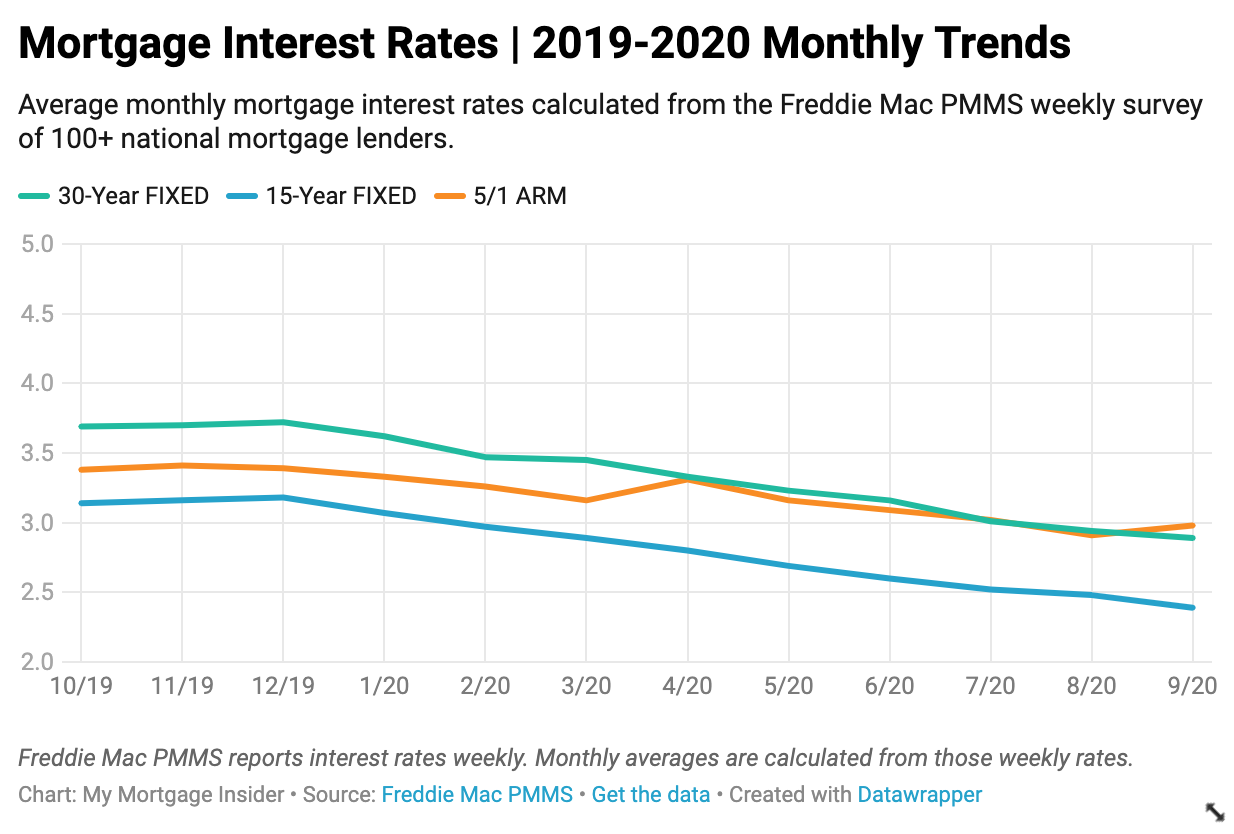
There are 2 types of mortgage loans, both specified by a different rate of interest structure. Fixed-rate mortgages (FRMs) have an interest rate that remains the exact same, or in a fixed position, for the life of the loan. Conventionally, home mortgages are used in 15-year or 30-year repayment terms, so if you acquire that 7-percent fixed-rate loan, you'll be paying the same 7 percent without modification, regardless if interest rates in the wider economy rise or fall over time (which they will).